All Categories
Featured
Table of Contents
From generative chatbots to fraud detection, synthetic intelligence is quickly ending up being an essential tool for organization operations. Advance your digital transformation technique with an AI adoption roadmap.
Without this strategic technique to digital improvement, adding AI to your workflow will not deliver the outcomes you expect. Implementing AI into your organization operations is more than simply rewriting a program or investing in a new tool. Leaders should adopt an ecosystem state of mind that focuses on incorporating a broad network of capabilities, enablers and policies.
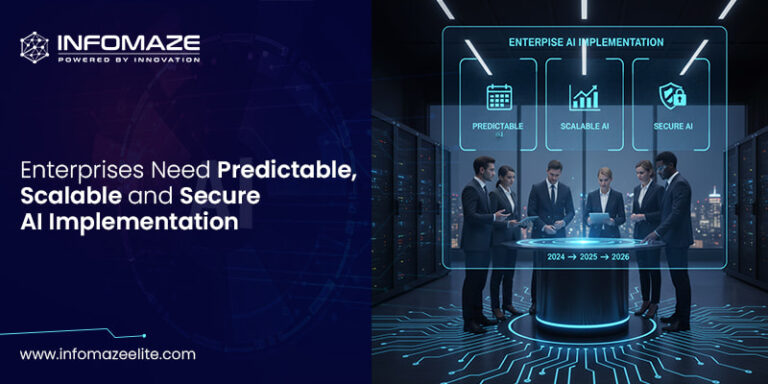
tidy data that relates to your AI adoptions safe innovation that can be scaled to adjust as needed groups working with AI needs to be trained in AI literacy and aware of AI ethics existing workflows that are plainly defined so AI can be efficiently adjusted Before an organization carries out AI into a workflow, you require to perform a regulated, small-scale test of the toolthis is described as the pilot program.
: Identify exactly what it is you want AI innovation to achieve, and set how to measure success to make development trackable: Examine all existing technology, audit data and check out labor force skills to discover potential gaps or risks within the organization: Allocate resources and draw up, with a practical timeline, how AI efforts will be presented into potential jobs, in order of significance and functionality: Lay out a clear governance structure to construct responsibility for all AI-related activities and address ethical practices to decrease bias in each system: Once effective pilot projects emerge, prepare on how to best scale an AI option, like CGI PulseAI, across the whole company by tracking efficiency, gathering feedback and refining your strategy When developing an AI adoption roadmap, there are a few technical, organizational and strategic hurdles that have the potential to prevent the success of a scaled integration within a company.
If your company launches AI efforts without defining which issues you 'd like to fix or how to determine success, the task stalls in the earliest phases and does not advance. In some organizations, there's a cultural resistance to digital change. Employees may resist the use of AI in the work environment due to fear of task loss or basic apprehension about the program's reliability.
Scaling ROI Through Next-Gen AI-Cloud Architectures
Another obstacle features the fast development of AI innovation. With all the updates and additions to programs, AI can typically exceed an organization's capability to adjust, resulting in a constant need to play catch-up. If a company is not prepared to allocate proper time and resources to keep up with AI efforts, the results can fail.
When presenting these brand-new ideas, leaders ought to remain drastically transparent about AI's role in their organization. Preferably, the human-centered design (HCD) efforts must enhance and help your staff member, not change them. When the personnel is on board, focus your efforts on detailed training to construct AI literacy and provide a safe environment for a complete variety of questions and experimentation.
Does Your Cloud Strategy Account for Australian Personal Privacy Laws?Bridges the space between maker and human needs Makes sure relevancy and inclusivity Develops acceptance and trust Promotes diverse perspectives and equity Drives liable and ethical application When creating an AI technique or roadmap, think about the effect and recognize the potential ROI. By identifying usage cases, experts can help align your organization's tactical objectives or challenges with specific AI technologies.
AI tools can be resource-intensive and intricate additions to everyday operations. To prevent disruption within your organization, focus efforts on producing a well-rounded AI adoption roadmap. The secret? Satisfying your team where they currently are. Before you implement any AI tools, make concerted efforts to understand your company's existing workflow.
Protecting Generative AI Pipelines from Core to EdgeCapturing Value Through Transformative Enterprise Roadmaps
When patterns are identified, you can figure out which AI programs will help bridge those spaces. After a couple of successful pilot programs, you can slowly incorporate and scale the technology up until it's utilized companywide. After years of experience producing innovative services, we are committed to helping companies harness the full power of expert system.
You do not require to transform the wheel to enjoy the benefits of AI.

Latest Posts
Why AI and Cloud Convergence Remains Essential
Actionable Tips for Smooth Corporate Modernization
Next-Gen Cloud Tools for Rapid Growth